
Agricultural Extension Services for Farmers, Agribusiness, and Rural Development
Agricultural extension services help farmers improve productivity, increase income, and adopt modern farming practices through professional guidance, training, and field support. These services provide practical solutions that enable farmers to make better decisions, use resources efficiently, and respond to changing weather, soil conditions, and market demands.
Our extension programs are designed for smallholder farmers, commercial farmers, cooperatives, agribusiness companies, NGOs, and development projects. We focus on delivering field-based support that is tailored to local conditions so that farmers can apply the recommendations easily and achieve real results on their farms.
Through continuous advisory, training, demonstrations, and monitoring, we ensure farmers not only receive information but also implement it correctly. This approach helps reduce production risks, improve crop performance, and promote sustainable agriculture that protects natural resources while increasing profitability.
Farm Advisory and Agricultural Consultancy
We provide professional farm advisory and agricultural consultancy services to support farmers in planning, managing, and improving their farming activities. Our recommendations are based on field assessment, soil conditions, climate patterns, and market opportunities to ensure farmers make informed and profitable decisions.
Our consultancy services include crop selection and seasonal planning, soil fertility management, farm layout design, irrigation guidance, and yield improvement strategies. We also advise farmers on proper input use, cost control, and better farm management practices to improve efficiency and productivity.
Farmer Training and Capacity Building
We conduct practical farmer training programs aimed at improving knowledge and building skills in modern and sustainable agriculture. Our training sessions are designed to be simple, practical, and suitable for both small-scale and commercial farmers.
Training areas include:
- Good Agricultural Practices (GAP)
- Pest and disease identification and control
- Post-harvest handling and storage
- Climate-smart agriculture techniques
Training may be delivered through workshops, farmer groups, field schools, and on-farm coaching to ensure farmers gain hands-on experience.
Field Demonstrations and Model Farms
Field demonstrations help farmers learn by seeing real results under actual farm conditions. We establish demonstration plots and model farms where improved technologies and best farming practices are tested and shown to farmers before adoption.
Demonstrations may include:
- Improved seed varieties
- Modern planting methods
- Efficient irrigation systems
- Soil fertility improvement practices
These demonstrations help farmers gain confidence in new methods and understand how to apply them correctly on their own farms.
Monitoring, Evaluation, and Technical Support
Continuous monitoring and technical support ensure that farmers correctly implement recommended practices and achieve the expected results. Our extension team follows up regularly to provide guidance, solve problems, and adjust recommendations when necessary.
Support services include regular farm visits, field inspections, performance tracking, and technical advice throughout the production cycle. This follow-up helps farmers avoid losses, improve yields, and maintain consistent farm performance.
Impact of Our Agricultural Extension Services
Our agricultural extension services help farmers increase productivity, reduce losses, and improve overall farm performance. By using better farming methods and proper management practices, farmers are able to achieve more reliable and profitable results.
Farmers benefit through higher yields, better product quality, improved income, and more sustainable use of soil and water resources. These improvements contribute to stronger farming businesses, better livelihoods, and long-term agricultural development.
Explore Other Services
We offer a full range of integrated agricultural and energy solutions for farmers and businesses across Uganda.

Agriculture department and Innovations
High-quality, disease-free, and high-yield seedlings including fruits, vegetables, and trees for farmers, cooperatives, and large projects.
Learn More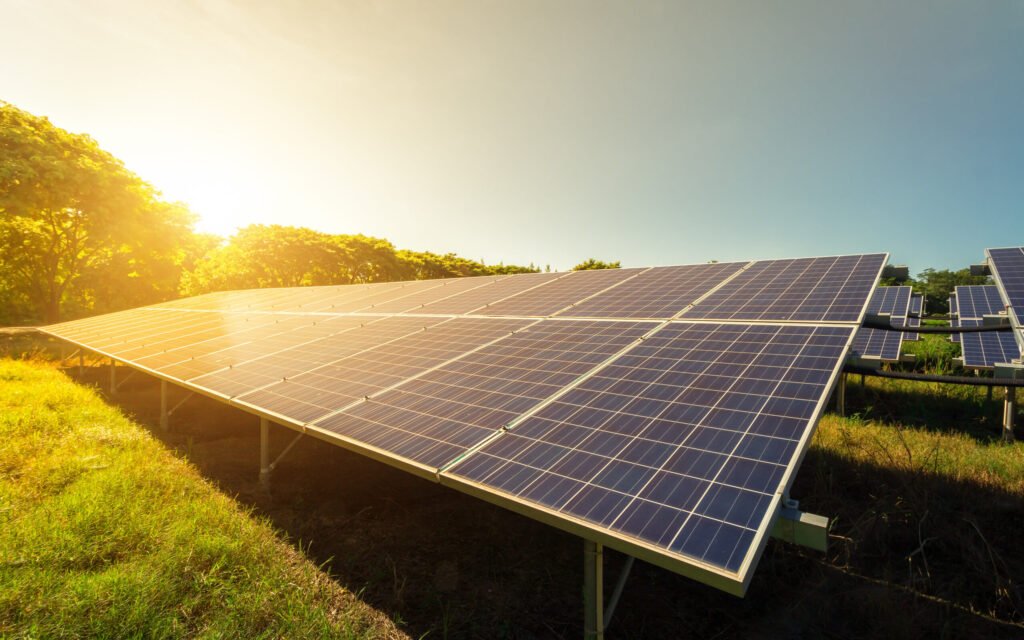
Solar Energy Solutions
Clean, reliable solar power for farms, homes, and businesses. Solar irrigation, off-grid systems, and full after-sales support.
Learn More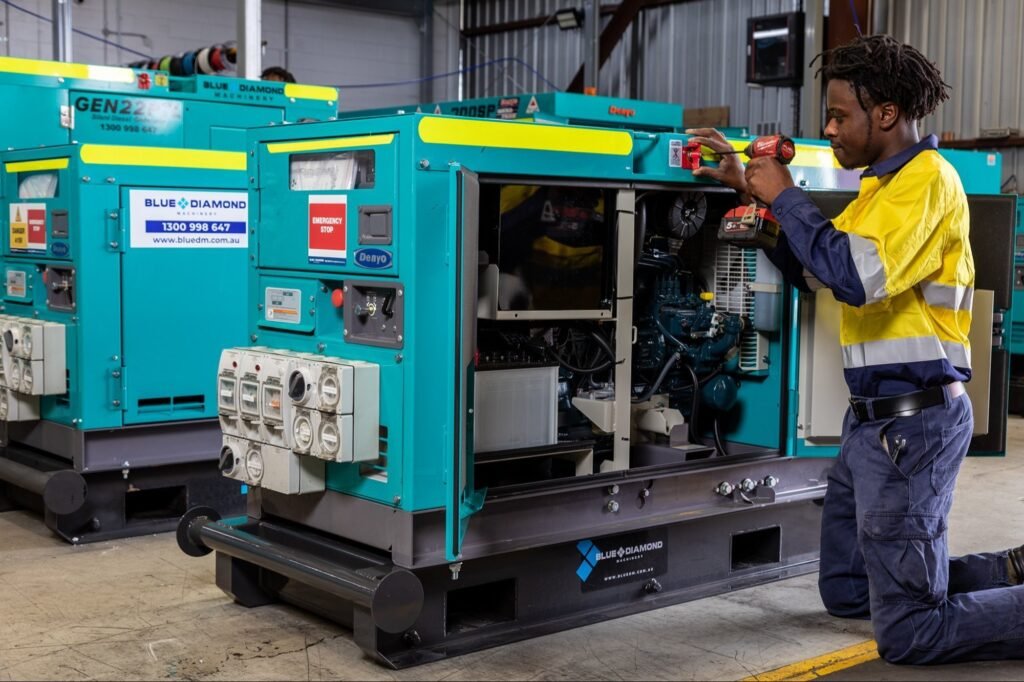
Generator Supply and Maintenance
Reliable backup power solutions including diesel, petrol, portable, and industrial generators with professional installation and servicing.
Learn More